You’re ready to relax in your hot tub, but before you climb in, there’s one important setting to check: the water temperature.
Set the temperature too low, and it may not be the relaxing experience you want. Too high, and it could become uncomfortable or even unsafe.
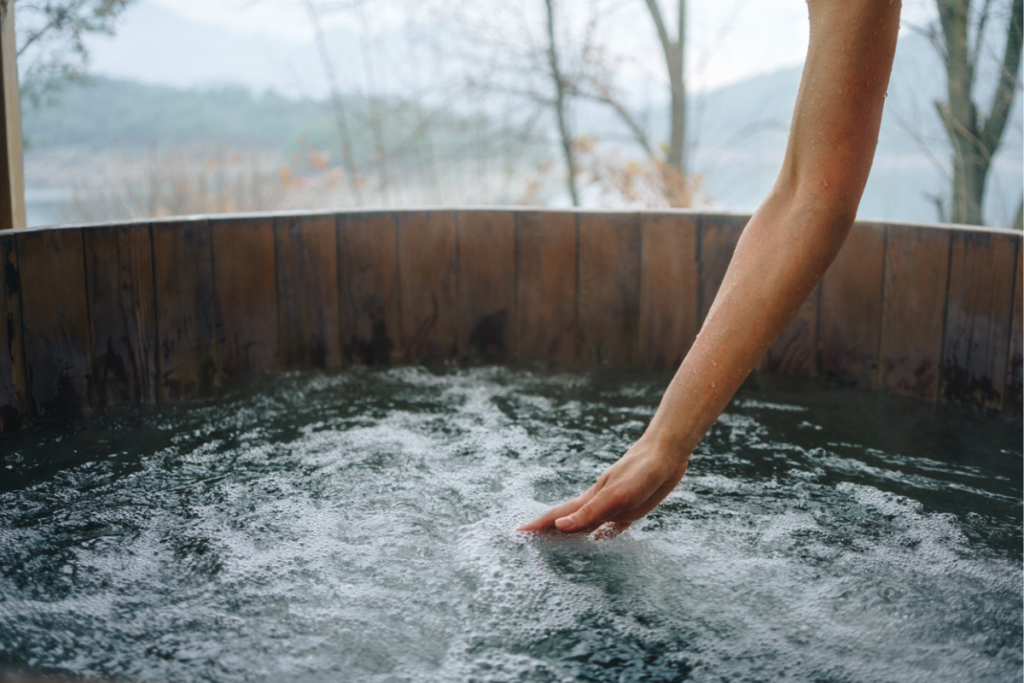
So, what temperature should a hot tub be?
Luckily, finding the right temperature is straightforward once you understand the recommended ranges for different users and situations.
In this guide, we explain the ideal hot tub temperature, safety considerations, and how to adjust your settings for the best experience.
What is the ideal hot tub temperature?
The ideal hot tub temperature for most adults is between 37°C-40°C, with 38°C widely considered the sweet spot for comfort, relaxation, and therapeutic benefits.
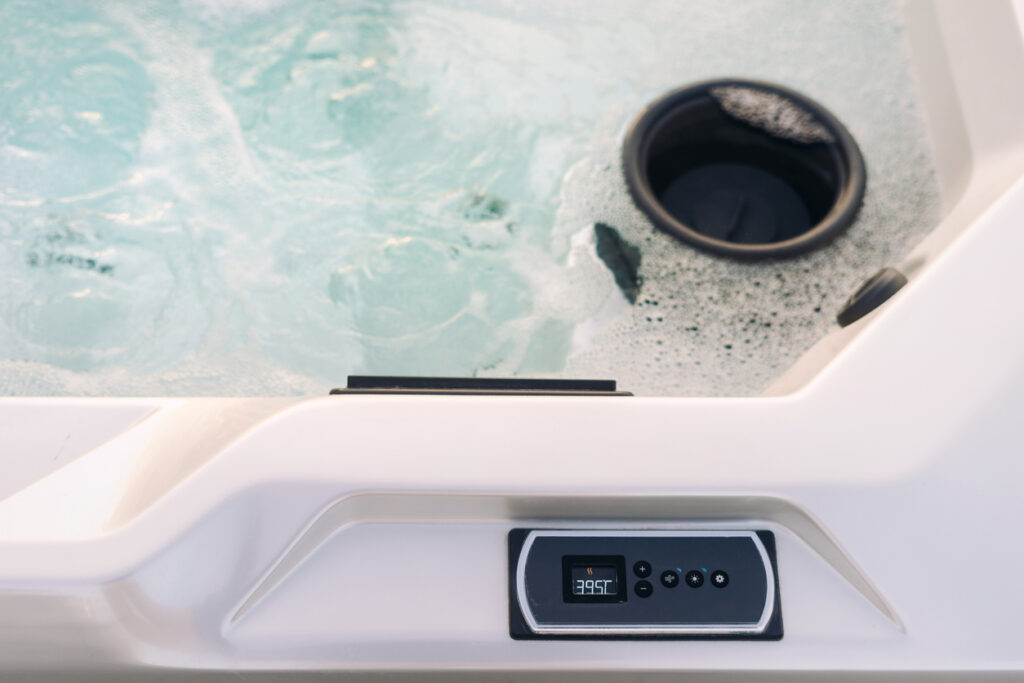
Within this temperature range, the water in a hot tub:
- Is warm and soothing
- Helps relax muscles
- Improves circulation
- Creates a comfortable soaking experience
The exact temperature you choose for your hot tub is down to your personal preference, the weather, and how long you plan to spend in the water.
What temperature do hot tubs come set at from the factory?
Most hot tubs leave the factory with a default temperature setting of around 38°C. Manufacturers choose this temperature because it suits the majority of users while remaining within recommended safety guidelines.
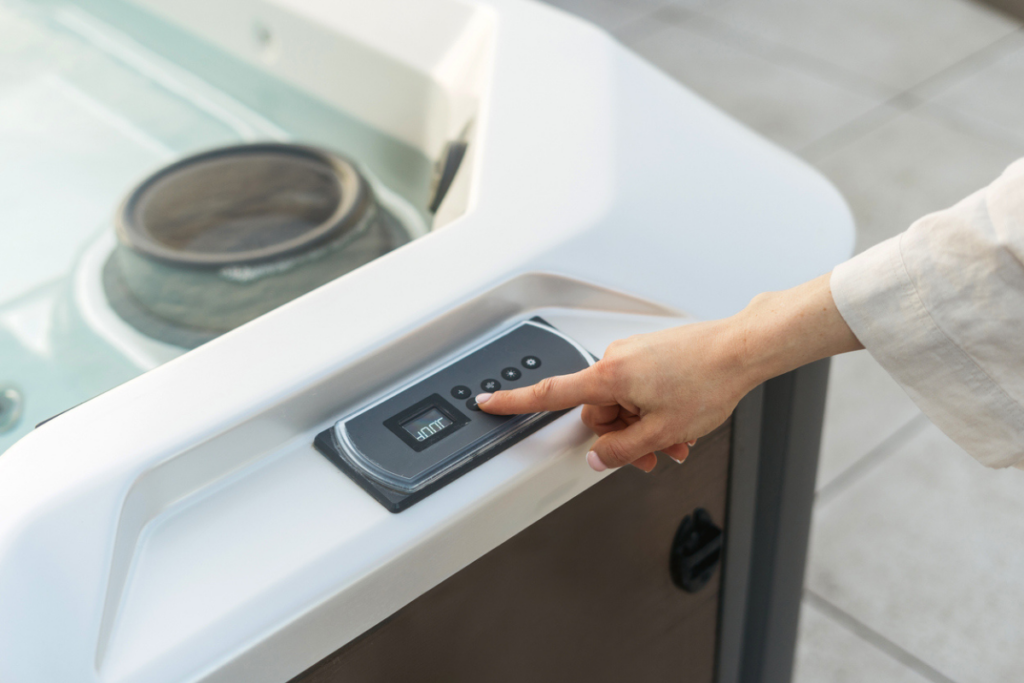
As a new hot tub owner, you may want to adjust the temperature slightly depending on your preferences. Some people prefer a cooler soak, while others enjoy a warmer experience, particularly during colder months. Adjusting the temperature is a normal part of hot tub ownership and can be done easily through the control panel.
Is 40°C too hot for a hot tub?
No, 40°C is not too hot for a hot tub. But it is considered the maximum recommended hot tub temperature for healthy adults, by manufacturers and industry bodies, including BISHTA.
While a 40°C hot tub can feel extremely relaxing, it may become uncomfortable during longer soaking sessions. Certain individuals should exercise additional caution, including:
- Older adults
- Pregnant women
- Individuals with high blood pressure or heart conditions
- Anyone feeling unwell or dehydrated

BISHTA also advise that if you’re soaking at 40°C, you should limit your session length to 15 minutes and stay well hydrated. If the water feels excessively hot, lowering the temperature by just one or two degrees can make a noticeable difference.
As a general guide, soak times can be shortened as the temperature increases.
What temperature should a hot tub be for children?
The recommended maximum hot tub temperature for children under 12 is 36°C, though it’s best kept closer to 35°C where possible. BISHTA advises against children under 4 using a hot tub at all. While the RLSS sets this at under 5, both agree that very young children are most at risk, as they can’t yet recognise or communicate when they’re overheating.
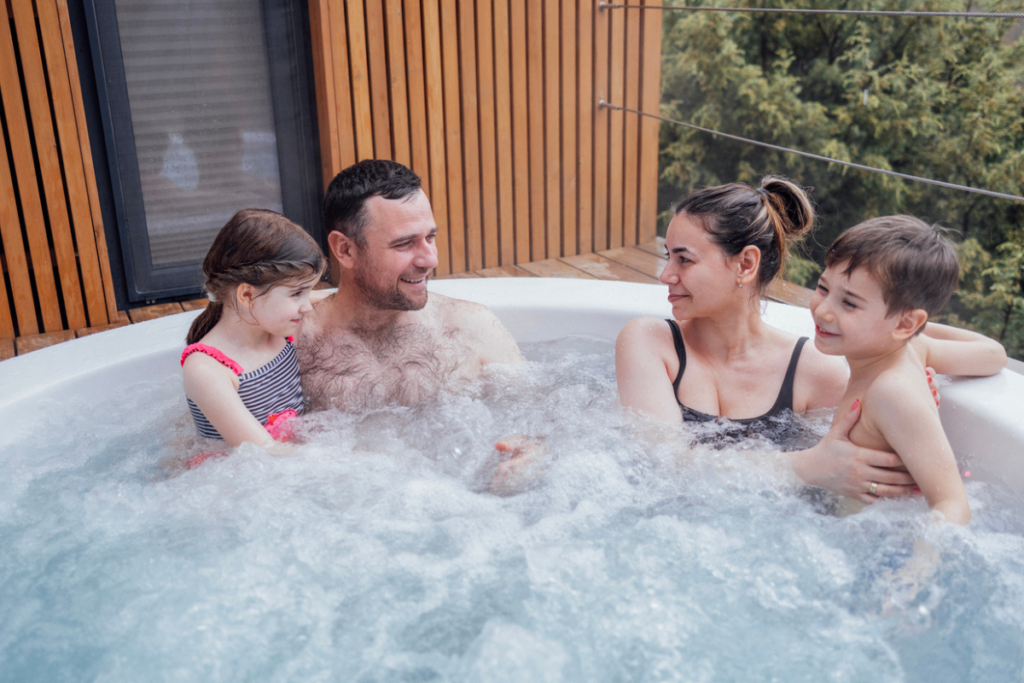
Children’s bodies heat up faster than adults’. This makes them more prone to overheating. To help keep children safe:
- Keep the temperature at or below 35°C
- Limit soak times to 10-15 minutes
- Ensure children take regular breaks
- Encourage plenty of hydration before and after use
- Supervise children at all times, both for overheating and drowning risk
Before a family hot tub session, lower the temperature. This makes it safer and more comfortable for everyone.
What affects how quickly a hot tub heats up?
The temperature outside, the size of the hot tub, and its heating system all influence how long it takes a hot tub to heat. Let’s examine those factors, and others, in more detail.
| Factor | Description |
|---|---|
| Ambient temperature | The outside air temperature has a significant impact on heating times. During colder weather, your hot tub loses heat faster and requires more energy to warm up. |
| Hot tub size and water volume | Larger hot tubs naturally contain more water, which means they take longer to heat than smaller models. For example, a compact two-person spa may heat considerably faster than a large family-sized tub. |
| Insulation quality |
Well-insulated hot tubs hold heat better. This cuts heating times and
boosts energy efficiency. Premium insulation can also help lower
ongoing running costs.
Find out more about how much it costs to run a hot tub (and how to keep costs down). |
| Keeping the cover on | A high-quality hot tub cover plays an essential role in retaining heat. Leaving the cover off while the tub is heating can significantly increase the time required to reach the desired temperature. |
| Heating system performance | A well-maintained hot tub heater, pumps, and filtration system help ensure efficient heating. If your hot tub takes noticeably longer than usual to warm up, it may be worth arranging a professional service inspection. |
Can you use a hot tub at a low temperature?
Absolutely. Many hot tub owners enjoy using them at temperatures below the standard 37-40°C range, particularly during warm weather.
Some hot tub users also combine cooler hot tub sessions with a sauna as part of a contrast therapy routine. Lower temperatures still let you enjoy the massage and relaxation benefits of your hot tub, just with a refreshing edge.
Reducing the temperature may also help lower energy consumption during periods of frequent use.
How do I adjust my hot tub temperature?
To adjust your hot tub temperature, you need to locate the control panel. Most modern hot tubs feature a digital control panel. This makes temperature adjustments quick and straightforward. Here’s a step-by-step guide:
- Locate the control panel. Find the main control panel, usually positioned on the top edge of the spa.
- Access the temperature controls. Press the temperature or settings button. Depending on your model, you may see up and down arrows or a dedicated temperature menu.
- Select your desired temperature. Increase or decrease the setting until you reach your preferred temperature.
- Allow time for heating. Hot tubs typically heat at a rate of around 1-2°C per hour, although this can vary depending on the model, water volume, and weather conditions.
- Replace the hot tub cover. Keep the hot tub cover securely fitted while the tub heats to improve efficiency and reduce heat loss.
Get expert support with Cumbria Hot Tub Services
Getting your hot tub temperature right makes all the difference to your experience. Our hot tub servicing fine-tunes your hot tub settings, and our watercare plans help keep your water clean, safe, and at the perfect temperature. So all you need to think about is relaxing.
And if you’re shopping around, our range of luxury hot tubs features models with smart, precise temperature control for reliable performance all year round.
Get in touch with the Cumbria Hot Tub Services team today for honest advice and a no-pressure, straightforward service.