After a busy weekend, you test the hot tub water and the strip shows 180ppm, the water is cloudy, and the pH won’t come down. If that’s the case, you’re probably wondering how to reduce alkalinity in a hot tub.
The good news is that lowering total alkalinity (TA) in a hot tub is a quick, easy task. The problem is that many people overshoot when they try to raise alkalinity levels. Or, they start adding chemicals without knowing the tub’s TA first.
Here’s how to decrease alkalinity properly and safely, plus common signs, causes, and mistakes.

The ideal alkalinity range for hot tubs
Alkalinity keeps hot tub water balanced and pH levels steady, and it should sit between 80 and 120ppm.
Once the water is outside this range, it impacts pH (which measures how acidic and alkaline water is on a scale of 1-14). Low alkalinity causes pH to constantly shift, while high alkalinity keeps the pH high (even when you adjust it).
Why is this bad?
Well, if pH is too high or too low, it can irritate skin, turn water cloudy, and corrode heaters and pumps in your hot tub. It can also weaken chlorine and bromine, decreasing sanitation.
If alkalinity is low, you can increase alkalinity using chemicals or baking soda. Too high and you need to add an alkalinity decreaser for hot tubs. We’ll show you how to do this later.
Why alkalinity gets too high in hot tubs (and signs that yours is too high)
If alkalinity is too high in your hot tub, you may have overcorrected and added too much alkalinity increaser or baking soda.
Here are other causes of high alkalinity in hot tubs:
- Filling or topping up your hot tub with tap water that contains high levels of minerals and carbonates
- Sweating or wearing lotion, sun cream, or perfume in the hot tub
- Failing to change the water over a long period of time
Most of the mains water in Cumbria comes from Thirlmere and Haweswater and is classed as soft. So if you own a hot tub in this region, high alkalinity is more likely to come from adding too much alkalinity increaser.
If you spot the below signs, you need to lower alkalinity in your hot tub:
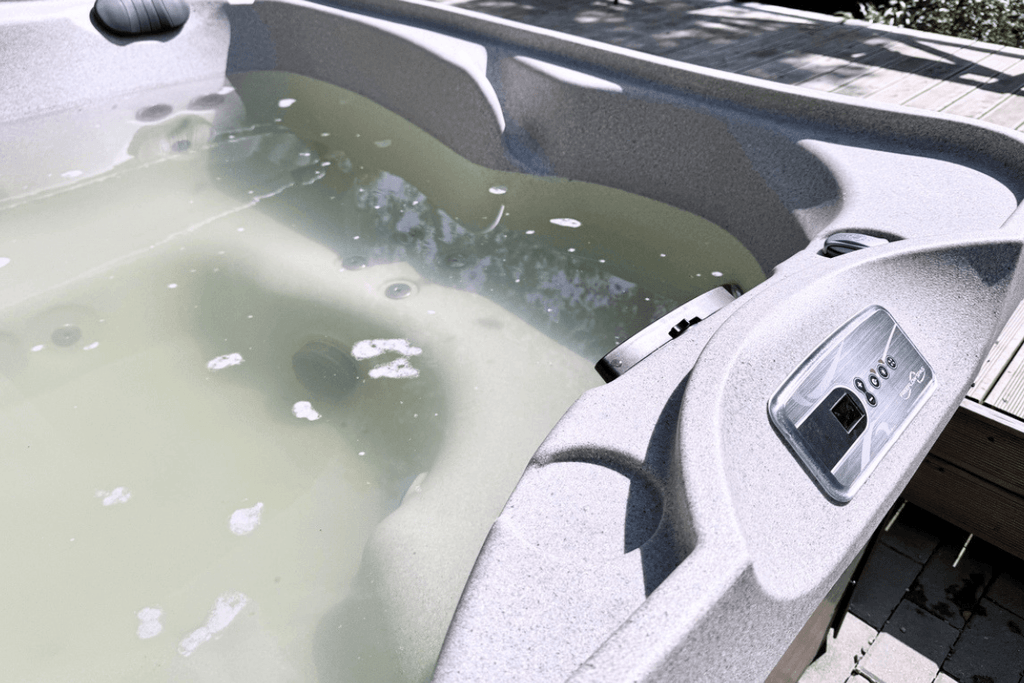
- Cloudy or murky water
- Persistently high pH
- Itchy skin
- Crusty mineral buildup on surfaces
How to test alkalinity in your hot tub
Test strips are a quick, easy way to test alkalinity in your hot tub, perfect for daily or weekly checks. But before dosing, we recommend using liquid drop (titration) kits since these are more accurate.
Whichever method you use, begin by turning off the jets and air blowers for a few minutes so the water is still.
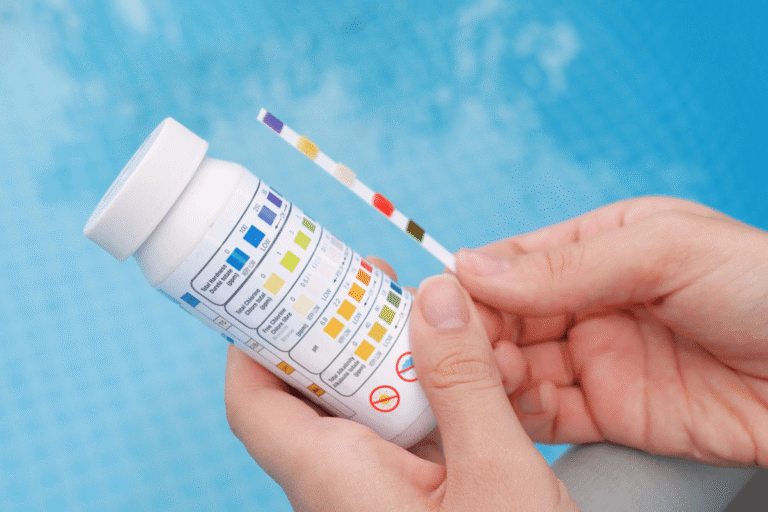
- If you’re using test strips, dip the strip into the hot tub at elbow depth and wait for the time specified on the pack. Then compare the colour change to the chart on the bottle and record the ppm reading.
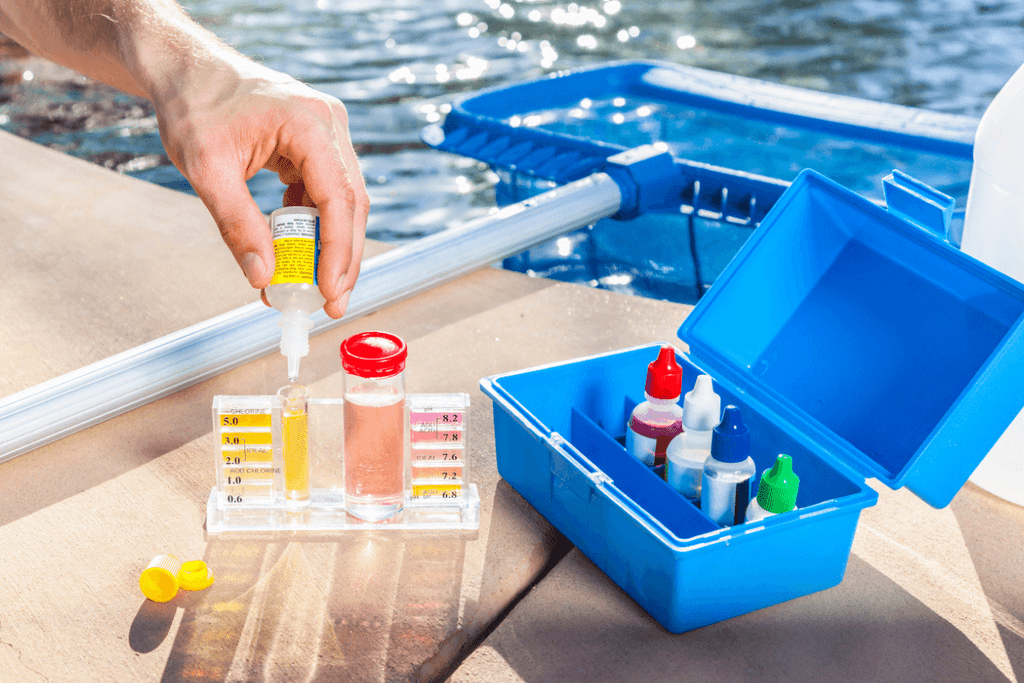
- If you’re using a liquid drop kit, collect a water sample in a tube, add reagent drops one at a time, counting them until the colour shifts. Usually, you multiply the number of drops by the factor listed in your kit manual to get the ppm level.
How to lower alkalinity in a hot tub in 5 steps
The simplest way to decrease alkalinity in hot tubs is to use an alkalinity decreaser. But which should you use?
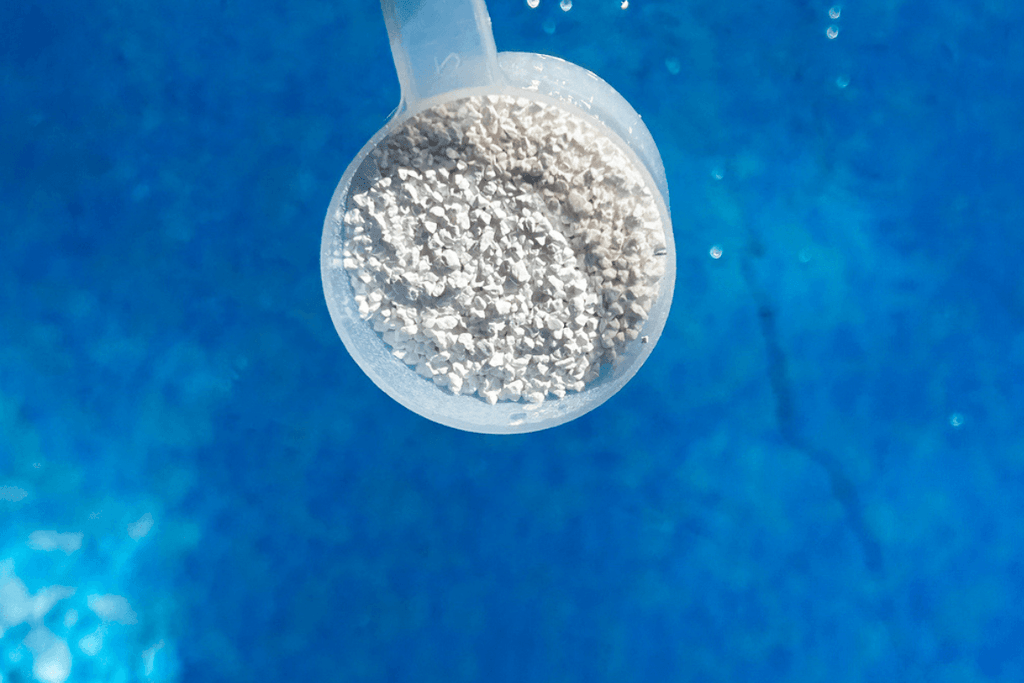
You need a sodium bisulphate chemical, usually sold as granules. It often comes under labels like pH decreaser, pH minus, or pH reducer, but always check the ingredient list.
Avoid muriatic acid, since this is better suited to swimming pools. Many people think they can use baking soda or vinegar, but baking soda actually raises TA, and vinegar is too weak.
Here are five steps to follow:
- Test your alkalinity and pH. You also need to check your tub’s volume (it will be in the manual).
- Work out your dose. Follow the instructions on the label. For example, reducing TA by 10-20ppm usually requires about 15-25g of product per 1000 litres.
- Dissolve the dose in a bucket of hot tub water. Make sure the pump is running and the cover is off before pouring slowly around the edges.
- Let it circulate before retesting. It needs to circulate for at least 30 minutes. Then, retest after a few hours, but ideally the next day, before adding more if needed.
- Repeat in small doses until you’re back within range (80-120ppm).
Good to know: Acid lowers pH too, so if your pH drops below range, run the jets or air blower with the cover off to gently raise.
So, how do you lower the alkalinity in a hot tub safely?
- Wear gloves and eye protection
- Add chemicals to water, never the other way around
- Use one product at a time (never mix them together)
- Keep people out of the tub until the chemical has circulated (check the label, but usually about 30 minutes)
Common mistakes when lowering alkalinity
Most hot tub alkalinity mistakes occur when you rush the process. Here’s a full list of common mistakes:
- Adding the whole dose at once or overshooting (and then adding countermeasures like baking soda to recover)
- Retesting too soon, and adding more before the first dose has finished working
- Guessing the tub’s volume
- Adding chemicals without knowing your starting TA level first
- Using a US dosage chart in gallons without converting
- Lowering pH before fixing alkalinity issues first
Maintain the right alkalinity level with Cumbria Hot Tub Services
Once you know how to reduce alkalinity in a hot tub, it’s a simple task. All you have to do is test, dose, wait, and retest.
But if your water keeps drifting or you’d rather hand over the job to experts, our hot tub servicing team is happy to help. Take a look at our watercare plans or get in touch if you have questions.