If you’re thinking about getting a hot tub or already have one, the big question is usually the same: how much does a hot tub cost to run?
The honest answer is that it depends on the size of the hot tub, how well it’s insulated, and how often you use it.
But the good news is that most hot tubs are more efficient than people expect. With the right setup and habits, running costs can be kept very reasonable.
Let’s break it down in a simple, no-nonsense way.
How much does running a hot tub cost?
In the UK, the cost of running a hot tub is typically:
- £15 to £40 per week
- £60 to £160 per month
- £760 to £1,270 per year
However, different sources estimate different amounts:
- WhatSpa? estimates that a hot tub generally costs around £2.20 and £3 a day to run, with the most energy-efficient hot tubs costing between £1.00 and £1.30 per day (based on current energy tariffs of around 27.69 pence per kWh).
- Checkatrade estimates that the average hard-shell hot tub running costs in the UK are around £1 to £2 per day, with an inflatable hot tub costing around £5 per day.
What affects the cost of running a hot tub?
The biggest driver of hot tub running costs is insulation quality, but day-to-day expenses are also shaped by temperature, usage habits, and how exposed your tub is to the elements.
Let’s look at some of the elements that can affect hot tub running costs in more detail.
- Outdoor temperature (winter vs summer). Cold weather means more heat loss, so the heater works harder and runs more often. In warmer months, the tub naturally holds heat better, so costs usually drop.
- Quality of insulation and cover. A good thermal cover and strong insulation (like foam or a thermal wrap) do a lot of the heavy lifting. They keep heat in and stop the tub from constantly reheating. If either is poor, energy use increases quickly.
- Insulation quality (built into the tub). This is the underlying design of the hot tub itself. Well-insulated shells and cabinets trap heat far more effectively, while cheaper or older builds let heat escape more easily, even with a good cover.
- Frequency of use. Every time you use the tub, heat escapes, causing the temperature to drop and the hot tub to use power to heat it. Pumps and filtration also need to be more active in heavily used tubs, so daily use will naturally cost more than occasional use.
- Desired water temperature. The higher you set the temperature, the harder the system has to work. Even a couple of degrees can make a noticeable difference in energy use over time.
- Location (wind exposure). Wind is often underestimated for its cooling effect. A sheltered spot helps the tub hold heat, while an exposed garden can cool it much faster, pushing up running costs.
- Age and efficiency of the hot tub. Older models tend to be less efficient, with weaker insulation and less effective heating systems. Newer tubs are generally designed to retain heat better and use less energy overall.
What are typical hot tub running costs?
When people talk about “hot tub running costs” or “hot tub operating costs”, they’re usually referring to a few key things:
1. Electricity
Hot tub electricity costs include:
- Heating the water
- Running the circulation pump (keeps water moving and filtered)
- Running the jets when you’re using it
Heating is the main driver here. Once the hot tub is up to temperature, a well-insulated model will generally maintain it rather than constantly reheat it.
Typical cost: £15 to £40 per week (but varies depending on other factors like the type and age of the hot tub and the time of year).
2. Water care products
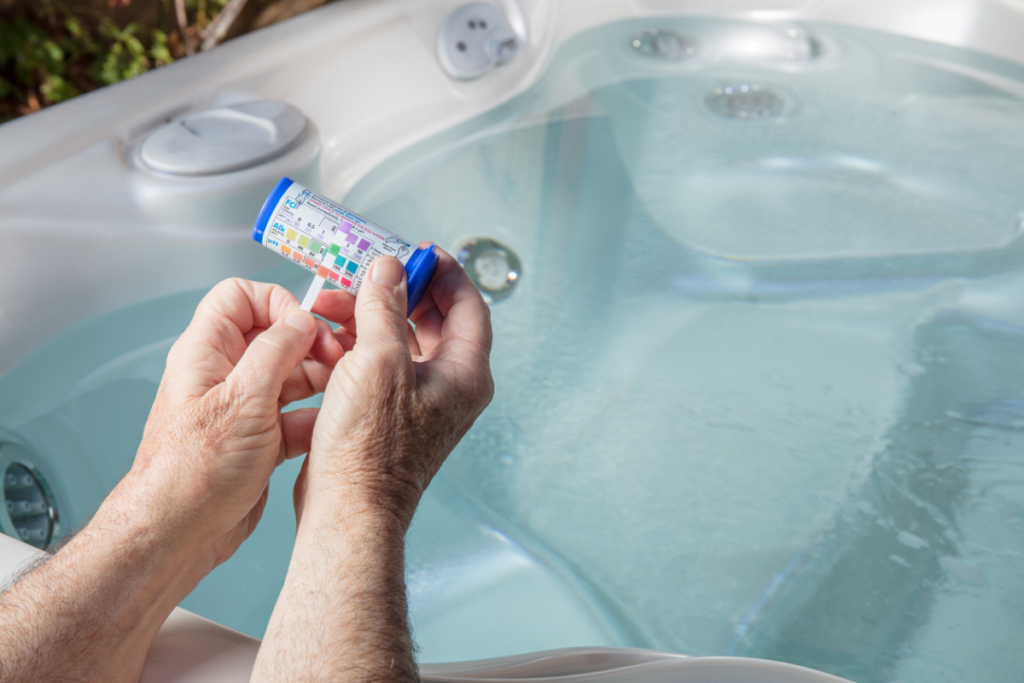
You’ll need chemicals to keep the water clean and safe:
- Chlorine or bromine
- pH balancers
- Shock treatments
Typical cost: £10 to £20 per month.
3. Water changes
Most hot tubs need draining and refilling every 2 to 4 months, depending on usage.
Typical cost: £1 to £10 (these costs cover the water and a bit of electricity to heat it back up).
4. Filter replacements and maintenance
Hot tub filters need to be replaced or deep-cleaned regularly to ensure the water stays clean, clear, and free from debris.
Typical cost: £20 to £60 every few months (but varies depending on if you do it yourself, how often you do it, or if you enlist the help of a hot tub expert to handle it for you).
Side note: If you want to take the hassle out of maintenance altogether, Cumbria Hot Tub Services can help with regular servicing, filter care, and upkeep.

How to keep hot tub running costs low
Small habits can make a big difference when it comes to keeping hot tub running costs down.
Here’s what actually works:
- Keep the cover on your hot tub when not in use. A good insulated cover is your best money saver. Heat loss through evaporation is one of the highest hidden costs.
- Set the temperature and leave it. Constantly turning your hot tub off and on uses more energy than maintaining a steady temperature (usually around 37–38°C).
- Use economy or sleep mode if available. Most modern hot tubs have energy-saving modes that reduce heating during low-use periods.
- Keep filters clean. A clogged filter makes the system work harder, which increases electricity usage.
- Position your hot tub wisely. Wind exposure increases heat loss. A sheltered spot or gazebo can noticeably reduce running costs.
- Don’t overfill or overheat. More water means more energy needed to heat it, and higher temperatures lead to higher bills. Keep the water levels at the right height (you should have a minimum water line inside the hot tub, or information in the manual) to avoid overspending on heating.
FAQs about hot tub running costs
Do hot tubs use a lot of electricity?
Not usually. A modern, well-insulated hot tub typically uses around 3–7 kWh per day, depending on weather, usage, and temperature settings. That’s similar to running a few household appliances regularly rather than something extreme.
Jacuzzi running costs compared to hot tubs: Which is cheaper?
“Jacuzzi” is actually a brand name, not a different type of hot tub. In most cases, when people say Jacuzzi, they just mean a standard hot tub or spa.
If you’re comparing options, the running costs are broadly the same. Insulation quality matters more than the name on the tub.
Find out more about the difference between a hot tub and jacuzzi.
Keep your hot tub running costs down with regular maintenance
At Cumbria Hot Tub Services, we help keep the cost of running your hot tub low through regular servicing and maintenance. We keep your system clean and efficient helping you avoid unnecessary energy waste and higher bills.
Get in touch to book your service and start reducing your hot tub running costs.