

Getting the water balance right in your hot tub can feel like a bit of a guessing game – especially when it comes to hot tub chlorine. Add too little and your water isn’t properly sanitised. Add too much and suddenly it’s harsh, uncomfortable, and far from relaxing.
In this guide, we explain exactly how to lower hot tub chlorine safely, what causes chlorine levels to spike, and how to keep your water levels spot on moving forward. First, let’s take a look at what happens when hot tub chlorine is too high.
What happens if hot tub chlorine is too high?
Too much hot tub chlorine isn’t just unpleasant; it can actually cause a few real problems.
For you and your guests:
- Skin irritation or dryness
- Red, itchy eyes
- Strong chemical smell (that “pool smell” is actually a sign something’s not right)
- Breathing discomfort in enclosed spaces
For your hot tub:
- Fading or damage to covers and headrests
- Wear and tear on seals and components
- Reduced lifespan of your filtration system
High chlorine in a hot tub can make your water feel harsh rather than relaxing, which defeats the whole point of having a hot tub.. If you hop in and immediately think, “this feels a bit much,” trust your instincts and test the water.
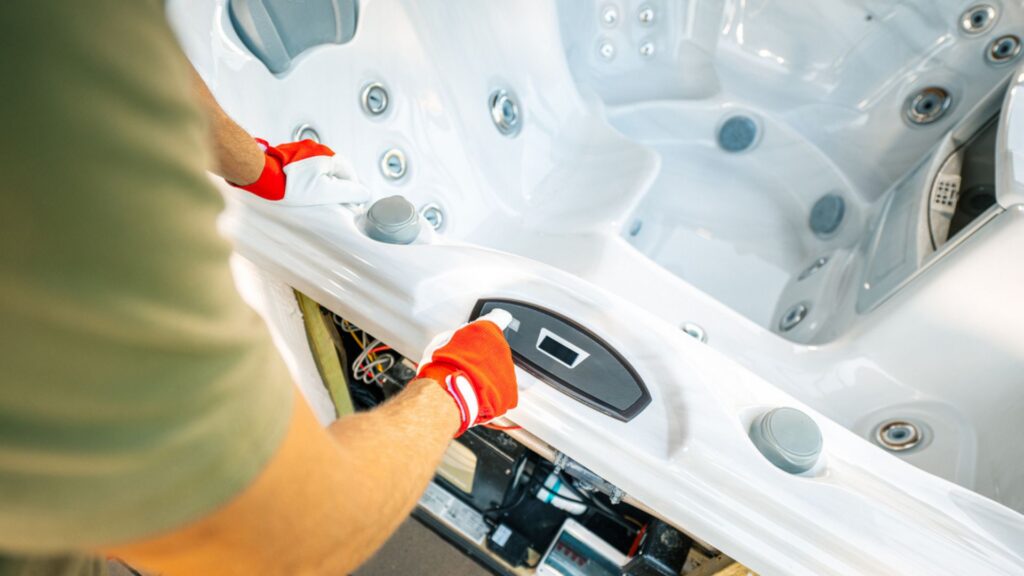
How to lower chlorine in a hot tub safely
So you’ve tested your water and thought, “that’s a lot of chlorine for one hot tub.”
Don’t panic! It’s a common issue that, thankfully, is usually easy to fix. Here’s how to reduce chlorine in hot tubs in 6 easy steps:
1. Stop adding chlorine immediately
Take out any floating dispensers and pause any automatic dosing systems to prevent more chlorine from entering the water while levels are already too high. It sounds obvious, but it’s the most important first step.
2. Remove hot tub chlorine tablets
If you’re using chlorine tablets for your hot tub, take them out of the dispenser straight away. They dissolve slowly, so even one tablet can keep raising chlorine levels for days.
3. Let it naturally dissipate
Chlorine breaks down on its own, especially when exposed to air and sunlight. Simply leaving your hot tub uncovered for a few hours can help speed things up.
4. Run the jets with the lid open
Running the jets increases aeration, which simply means mixing more air into the water. As the jets create bubbles and movement, they help release trapped gases, including chlorine, from the water into the air.
This process helps chlorine dissipate more quickly, making it an easy way to bring levels down faster than just leaving the water to sit.
5. Dilute the water
Diluting is one of the quickest ways to reduce chlorine safely. If levels are very high, partially drain your hot tub and refill it with fresh water.
6. Use a chlorine neutraliser (if needed)
For very high readings (typically anything above 8–10 ppm), a chlorine reducer like sodium thiosulfate can bring levels down fast.
Just be careful – adding too much can swing things the other way and leave you with little to no sanitiser in the water. You’ll need to measure carefully, follow the product instructions, and retest your water after each adjustment to stay within the safe range.
Quick tip: Always retest your water after making changes. Aim for a chlorine level between 3–5 ppm for most hot tubs.
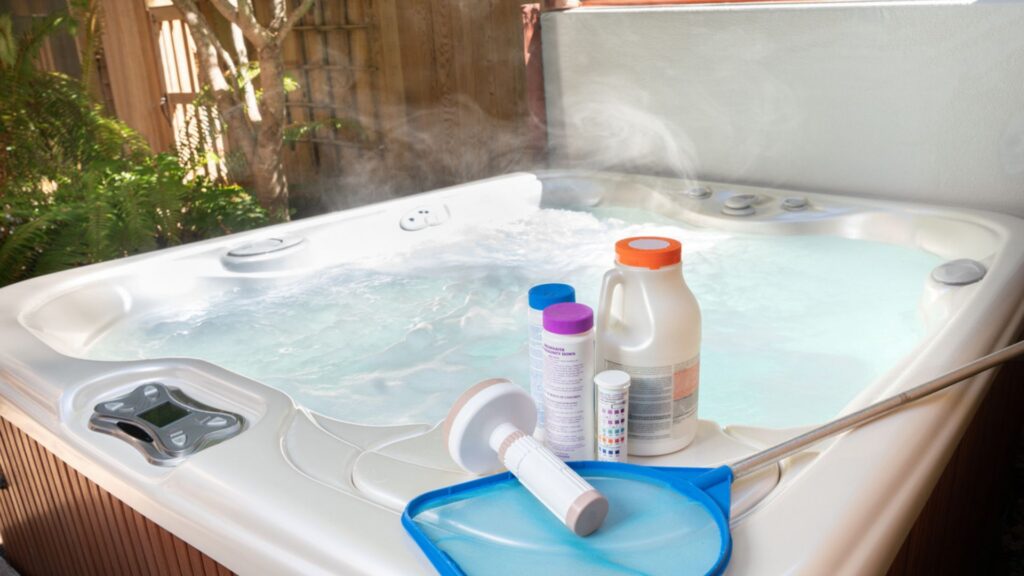
FAQs about how to decrease chlorine in a hot tub
How much chlorine should you add to a hot tub?
For most hot tubs, you should aim for:
- 3–5 ppm chlorine during normal use
- Slightly higher (around 5 ppm) after heavy use
General dosing guidance:
- Chlorine granules: Typically 3–5 grams per 1,000 litres of water
- Chlorine tablets: Usually 1–2 small tablets in a floating dispenser (adjust based on tub size and usage)
That said, always check the instructions on your specific product as different brands can vary.
Best practices for adding chlorine to your hot tub:
- Add small amounts gradually rather than all at once
- Test water regularly (at least 2–3 times per week)
- Adjust based on usage (more bathers = more chlorine needed)
Why is my hot tub chlorine level too high?
If the chlorine is too high in your hot tub, there’s usually a simple explanation. Here are the most common causes we see:
- Overdosing (the biggest culprit). It’s easy to add “just a bit extra” for peace of mind – but chlorine builds up quickly when adding too much, especially in smaller tubs.
- Too many tablets in the dispenser. Floating dispensers can be deceptive. Add too many tablets, and they’ll keep releasing chlorine long after you’ve forgotten about them.
- Not testing often enough. Without regular testing, chlorine levels can quietly rise over several days before you notice.
- Low usage. If you aren’t using your hot tub much, chlorine isn’t being “consumed” by contaminants, meaning it lingers and accumulates.
- Incorrect dispenser settings. If your hot tub floater is fully open, tablets dissolve faster, releasing more chlorine than intended.
- Small water volume. Hot tubs hold far less water than swimming pools, so even a small dosing mistake has a big impact.
Getting into a simple routine (test, adjust, repeat) can prevent most of these issues.
Chlorine tablets vs chlorine granules for hot tubs: Which is best?
If you want convenience, tablets are a good choice (just be careful with quantities and dispenser settings). If you prefer precision and control, granules are often the better option.
Here’s a quick breakdown of the pros and cons of each:
| Chlorine tablets | Chlorine granules | ||
| Pros | Cons | Pros | Cons |
| Slow-release and low-maintenance Great for maintaining steady levels Ideal if you don’t want to dose daily | Easy to overdose if you add too many Less control over how quickly chlorine is released | Fast-dissolving and easy to control Perfect for quick adjustments Great after each use | Require more frequent dosing Need a bit more attention and routine |
A lot of hot tub owners actually use a mix: tablets for maintenance, granules for quick boosts.
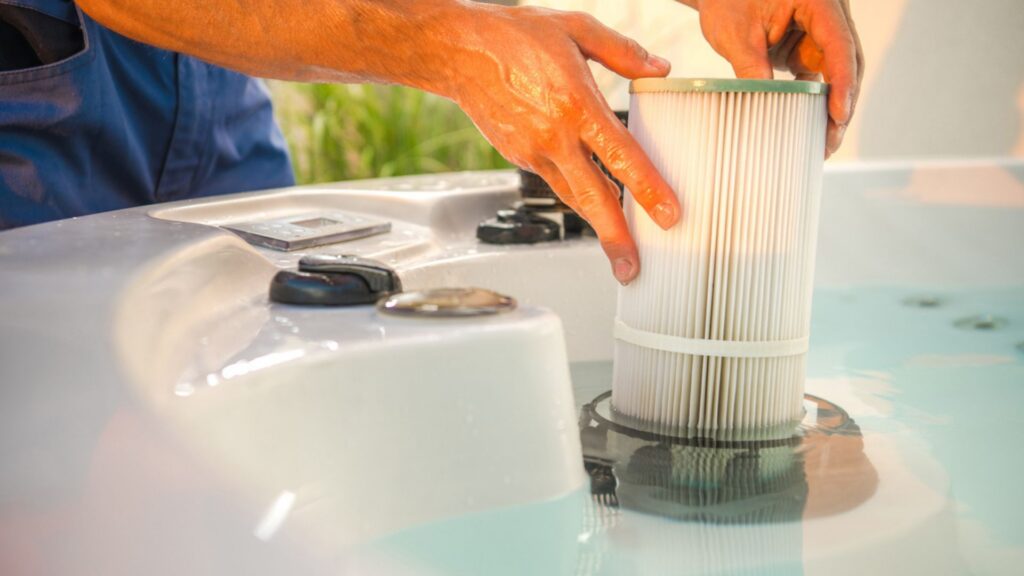
Get your hot tub water back on track with a professional balance check
If your chlorine levels just won’t settle, it’s often a sign of a deeper issue like imbalanced water chemistry, faulty equipment, or a build-up in older water. Constantly adjusting without results can be frustrating, and that’s where a professional service makes a real difference.
At Cumbria Hot Tubs, we regularly help customers reset their water with a full balance check, equipment inspection, and tailored advice. Our professional service includes:
- Fully testing and rebalancing your water
- Checking that your equipment is working correctly
- Recommending the right products and dosing routine for your setup
- Helping to extend the life of your hot tub
Think of it as a fresh start for your spa, so you can spend less time troubleshooting and more time relaxing.
Reach out to the team today to book your next hot tub service, or take a look at some of the hot tubs we have for sale if you want to upgrade your current setup!